How St John Medical Alarms NZ Can Support Independent Living for Seniors
When you start thinking about safety for an older relative, the options can feel overwhelming. There are phone apps, smart watches, and various monitoring services, each with its own promises. But for many families in New Zealand, the real question is simpler: how do we help Mum or Dad stay in their own home without worrying every time they are alone? This is where a reliable personal alarm system makes a genuine difference. The phrase "st john medical alarms nz" often comes up in these conversations, and for good reason.
What Makes a Medical Alarm Worth Having?
A medical alarm is not just a button on a cord. It is a link to help when something goes wrong. The best systems combine ease of use with dependable response. Most older adults want something that does not get in the way of their daily routine. They do not want to feel like a patient in their own home. They want to feel secure, but also independent.
When evaluating a system, think about what happens after the button is pressed. If someone falls and cannot reach the phone, will help still come? If they are in the garden or at the local shops, can they still call for assistance? These are the real-world situations that matter. A good system covers the home and the community, and it connects to people who actually care about the outcome.
Connect with us on YouTube.
The Role of Fall Detection
Falls are a major risk for seniors. According to health data, one in three people over 65 will fall each year. Many of those falls happen when no one else is around. If a person cannot get up or reach a phone, time becomes critical. A fall detection sensor, worn as a pendant or belt clip, can automatically trigger an alert. This removes the need to press a button at all. For families, this feature provides real peace of mind.
Not all fall detection is created equal. Some systems use simple motion sensors that can mistake a sudden movement for a fall. Others use multiple sensors and algorithms to reduce false alarms. It is worth asking about the technology behind the detection. A system that sends too many false alerts will frustrate everyone, and a system that misses a real fall is dangerous. The balance is important.
GPS and Mobile Coverage
Many seniors in New Zealand stay active. They walk to the dairy, visit friends, or go to the local RSA club. A home-only alarm leaves them unprotected when they are out. A system with GPS tracking allows the wearer to call for help from anywhere. The alarm unit contains a SIM card and location technology, so the response team knows exactly where the person is, even if they cannot speak.

This is especially valuable for people with early dementia or memory issues. If a family member wanders off and becomes confused, GPS can help locate them quickly. It is not about surveillance. It is about giving the person the freedom to move around safely, knowing that help is never far away.
Two-Way Communication Makes a Difference
When an alert is sent, what happens next? In some systems, the alarm just notifies a call centre, and someone rings back. But if the person cannot reach the phone or is in shock, that call may go unanswered. A better approach is two-way voice communication built into the alarm unit itself. The wearer can speak directly to a responder through the pendant or base station. The responder can assess the situation, call an ambulance if needed, or contact a family member.
Having a real person on the line, talking to your loved one, changes the experience. It reduces panic and ensures the right help is sent. For the family, it means you are not the first responder every time. You get a call only when it matters, and you know that someone professional is handling the emergency.
Family Monitoring
Some systems also allow family members to receive notifications directly. If Mum falls, you get a text or app alert immediately. You can listen in on the two-way conversation if she is able to talk, or you can call the response centre yourself to check. This level of involvement suits many NZ families, especially those who live in a different city or region. You cannot be there all the time, but you can stay connected.
Of course, some seniors prefer that their family is not alerted for every minor issue. They want to maintain their privacy and independence. A good system lets you set preferences around notifications. It is a partnership, not a takeover.
The Practical Side: Setup and Daily Use
Setting up a medical alarm should not require an engineer. Most modern systems are simple plug-and-play. The base station connects to your home broadband or uses a cellular backup. The pendant or wristband is worn throughout the day. The battery lasts for days or weeks, depending on usage. Charging is straightforward, often via a magnetic cradle or a simple USB cable.
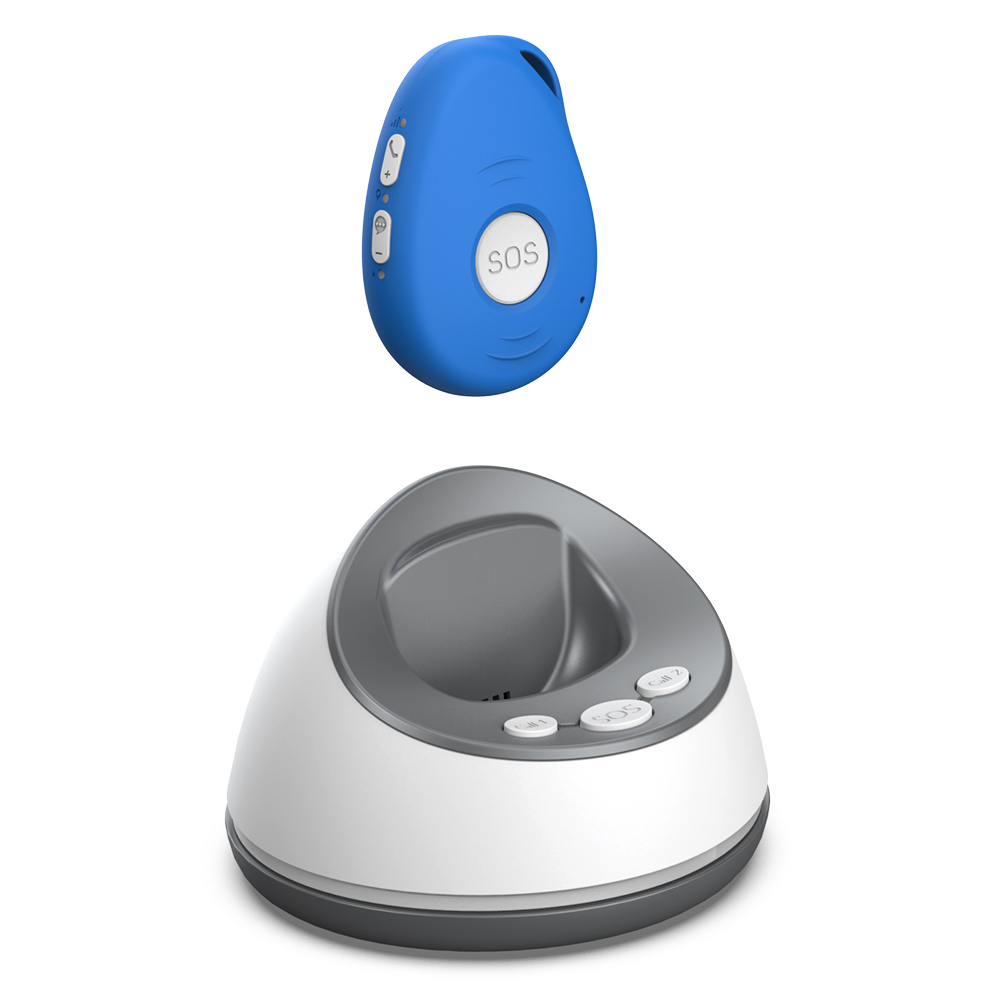
One concern many older users have is about looking "old" or "frail" while wearing an alarm. The best pendants are small, waterproof, and designed to look like a piece of jewellery or a fitness tracker. They can be worn in the shower, which is actually one of the most common places for falls. A device that is uncomfortable or embarrassing will be left in the drawer, and that defeats the purpose.
Another practical point: what happens if the power goes out or the internet drops? A quality alarm has battery backup and a cellular fallback. New Zealand has its share of power cuts, especially in rural areas or after storms. The alarm should keep working when everything else fails.
Cost and Value
Monthly fees for medical alarms vary. Some systems charge a flat rate; others add costs for fall detection or GPS. It is worth comparing what you actually get for the money. A cheap system might save a few dollars a month but leave you with poor response times or no fall detection. A more expensive system might include features you never use.
Think about the total cost over a year or two, including any upfront hardware fees. Also check whether the system requires a long-term contract. Some providers offer month-to-month plans, which give flexibility if circumstances change. For example, if your loved one moves into a care home, you do not want to be locked into a second year of service.
The phrase "st john medical alarms nz" appears in many comparisons because it represents a trusted name in healthcare. St John has been part of New Zealand communities for decades, and their involvement in medical alarms brings a level of credibility that newer companies have to earn. The service is backed by a charitable organisation with deep roots in first aid and emergency response. For families who value that kind of trust, it is a strong choice.
Making the Decision
Choosing a medical alarm is a personal decision. It depends on the person's health, lifestyle, and preferences. Some people need fall detection; others just want a simple way to call for help. Some want GPS; others never leave the house. The key is to match the system to the person, not the other way around.

Involve the person who will wear the alarm in the choice. Let them try on the pendant, test the buttons, and talk to the provider. If they feel ownership over the decision, they are much more likely to use the system consistently. And consistency is what saves lives.
After you have chosen a system, set it up together. Show them how to charge it, where to wear it, and what to say when they call for help. Do a practice run. Make sure the family notification settings work. Then step back and let them get on with their life. That is the whole point: to give them confidence to live independently, knowing that help is always a button press away.
Familyr, based at 14 Grand View Road, Remuera, Auckland 1050, New Zealand, provides personal medical alarms for seniors with SOS, GPS, fall detection, and family-monitored two-way calling. You can reach them at +64 9 872 0345 for more information about their services.